Spring and summer thunderstorms across Metro Atlanta can bring hail with little warning. Even when a storm passes quickly, hail can damage shingles in ways that are hard to see from the driveway, and that damage can lead to leaks months later.
Here’s what to look for after a hailstorm, and what to do next. Stay off the roof yourself; most of these checks can be done safely from the ground.
1. Check from the ground
Hail leaves clues all around your property. Walk the yard once it’s safe and look for:
- Dents in gutters, downspouts and vents. Soft metal shows hail hits clearly, and if metal is dented, shingles likely took hits too.
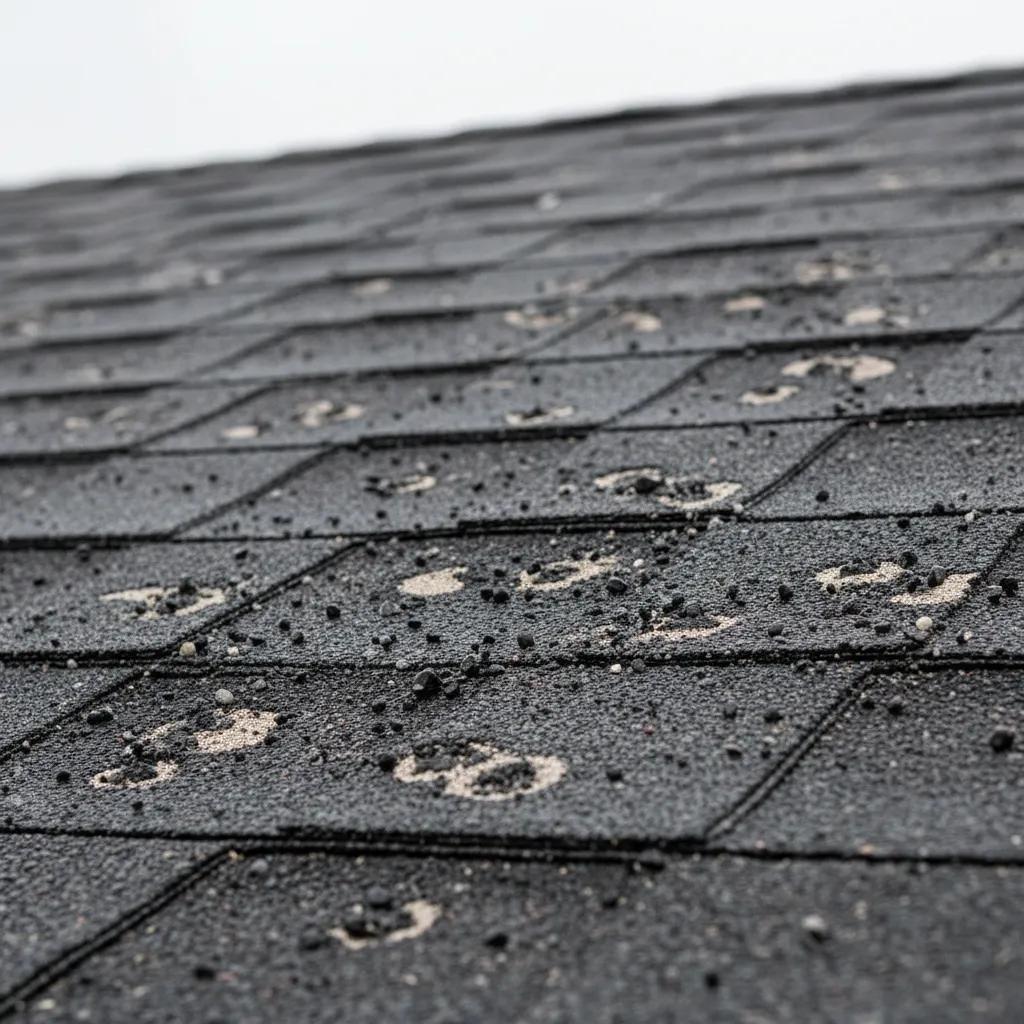
- Granules piling up. Check the ground at downspout outlets for gritty, sand-like granules washed off the shingles.
- Damage to other surfaces. Dings on cars, patio furniture, window screens, siding or fences point to how large and hard the hail was.
- Shingle pieces in the yard. Hail often comes with high wind that can tear shingles loose.
2. What hail does to shingles
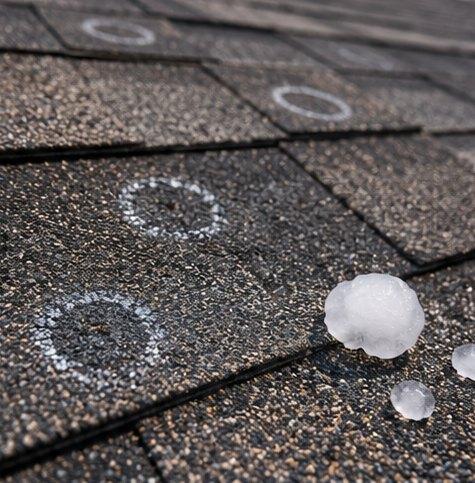
Hail damage on asphalt shingles doesn’t always look dramatic. An inspector looks for:
- Bruises: dark, soft spots where granules have been knocked away, exposing the asphalt underneath.
- Cracks and fractures: hits can crack the shingle mat, especially on older, more brittle shingles.
- Granule loss: granules protect shingles from the sun; once they’re gone, the shingle ages much faster.
- Damaged flashing and vents: dents or punctures in metal parts of the roof.
Bruised shingles often don’t leak right away. Without their protective granules, they break down faster in the Georgia sun, and leaks can appear long after the storm, when damage is harder to tie back to the hail.
3. Look inside too
- Water stains on ceilings or walls, especially upstairs
- Drips or damp insulation in the attic
- Light coming through the roof deck
4. Document the damage
If you think your roof was damaged, start a simple record right away:
- Write down the date and time of the storm
- Take photos of dented gutters, vents, damaged items and any interior water stains
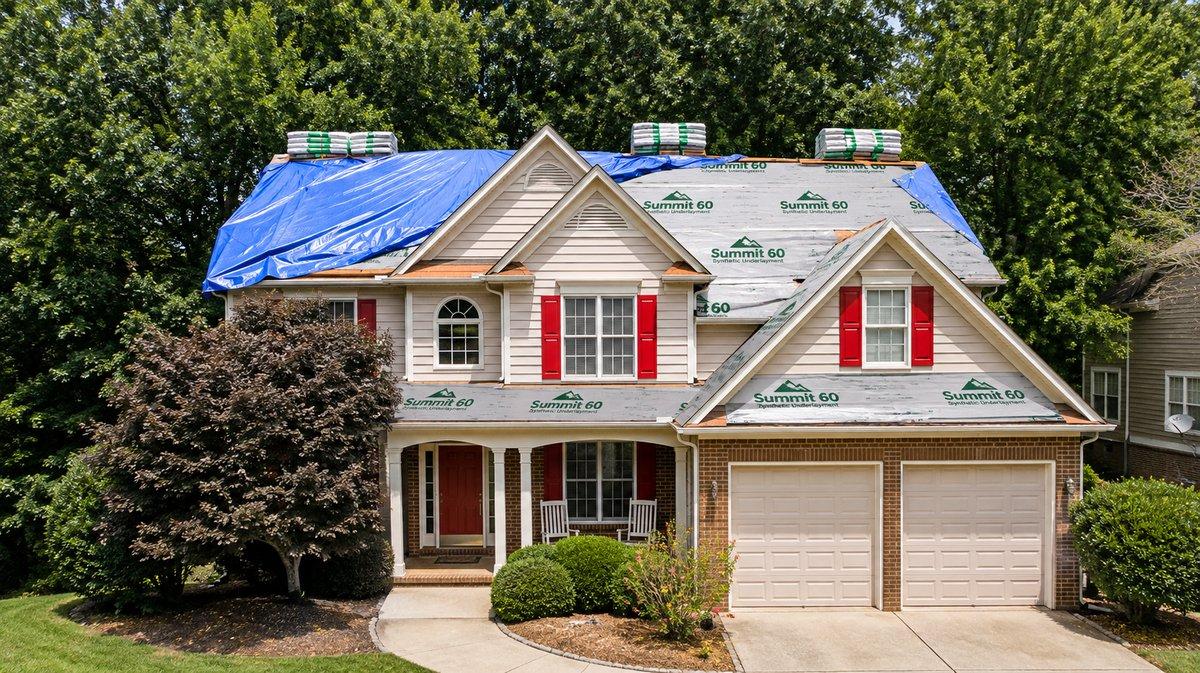
- Keep receipts for any emergency work, like tarping
- Check your homeowners policy for reporting requirements and deadlines
Your insurance company decides whether damage is covered. Clear photos and an inspection report make that conversation much easier.
5. Watch out for storm chasers
After a big storm, out-of-town crews often go door to door. Some do fine work, but many are gone by the time a problem shows up. Before you sign anything:
- Choose a local company with a verifiable address, phone number and track record
- Don’t sign a contract on the spot or under pressure
- Be cautious of anyone offering to cover or waive your deductible
- Get the inspection findings in writing, with photos
6. Next steps
If you see any signs of hail damage, schedule an inspection. Delrio Roofing offers free roof inspections across Metro Atlanta, and we’ll show you exactly what we find. If water is coming in now, call us at (404) 787-9715.
Get a free, no-obligation roof inspection.