Asphalt shingles cover most homes in Metro Atlanta, and for good reason. They’re durable, cost-effective, available in dozens of colors, and familiar to every roofer and inspector in the area.
But not all asphalt shingles are the same. Here’s a plain-language guide to your options.
1. Why asphalt shingles
- Cost: they offer a strong balance of price and performance compared with metal, tile or slate.
- Looks: modern dimensional shingles can mimic the depth of wood shakes or slate.
- Easy repairs: individual shingles can be replaced without redoing the whole roof.
- Proven in Georgia: with the right ventilation, they handle heat, humidity and summer storms well.
2. The three main types
3-tab shingles are flat, single-layer shingles with a uniform, brick-like pattern. They’re the most budget-friendly option and common on older homes and rentals, but they’re thinner and generally less wind-resistant.
Architectural (dimensional) shingles are made of two or more laminated layers, which gives them a thicker, textured look and better durability. They’re the most popular choice for Atlanta homes today and usually carry longer manufacturer warranties.
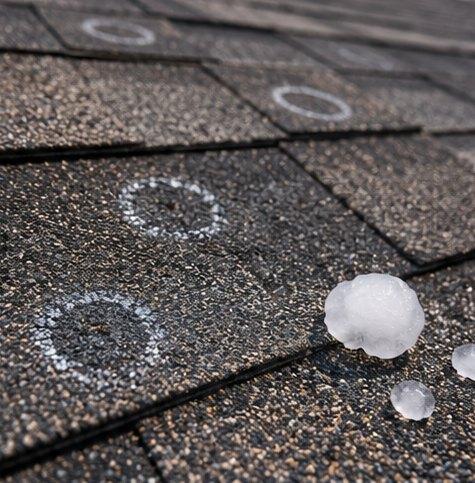
Impact-resistant shingles are built to better withstand hail. Shingles rated Class 4 under the UL 2218 test have passed the highest impact rating. In hail-prone areas they can be worth the extra cost, and some insurers offer discounts for them. Ask your agent.
3. The parts you don’t see
A roof is a system, and the layers under the shingles matter just as much:
- Decking: the wood base everything is fastened to.
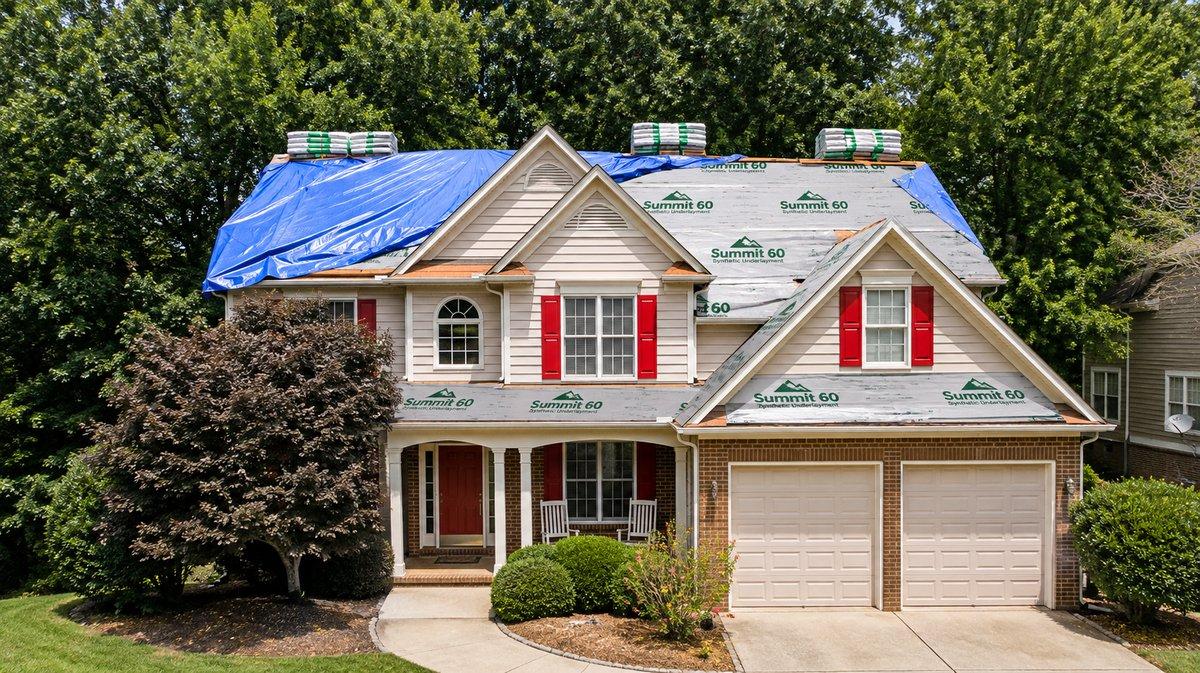
- Underlayment: a water-resistant layer over the deck; synthetic underlayment is common today.
- Ice-and-water shield: a self-sealing membrane in valleys and around chimneys, vents and skylights, where leaks start most often.
- Drip edge and flashing: metal that directs water away from edges, walls and penetrations.
- Ventilation: balanced intake and exhaust vents keep attic heat and moisture down, which helps shingles last.
A poorly ventilated attic can get extremely hot in summer. That trapped heat cooks shingles from below and can shorten their life. Checking ventilation is part of every good roof replacement.
4. Choosing a color
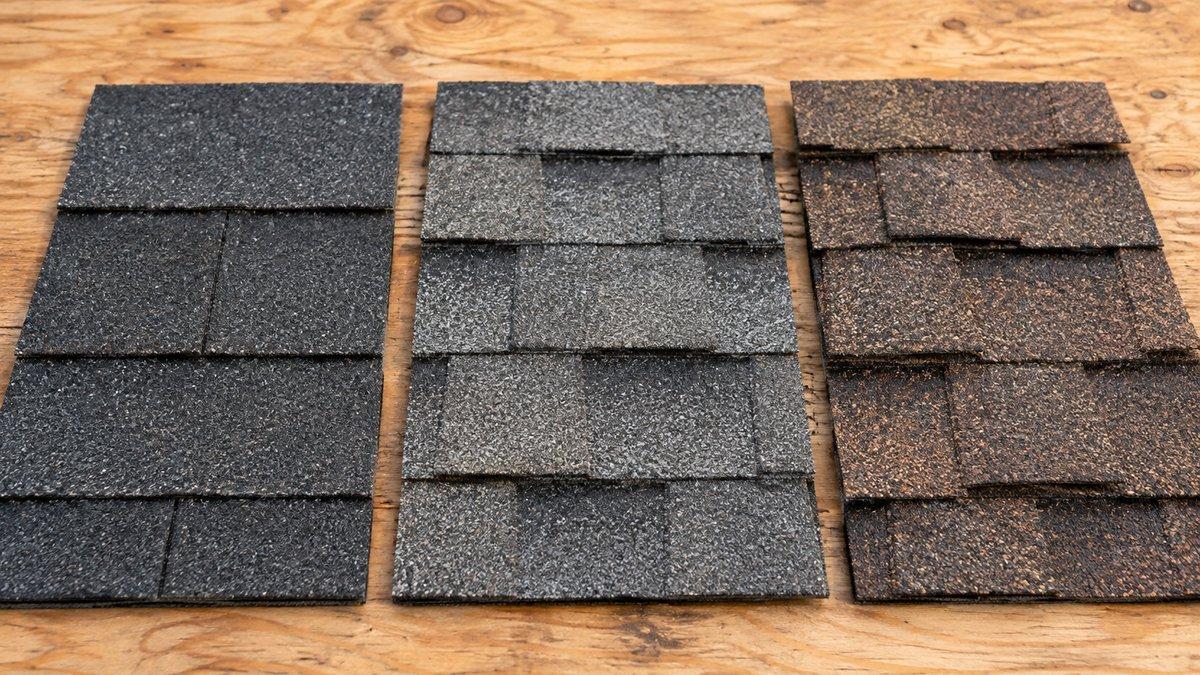
Lighter colors reflect more sunlight and can help keep attic temperatures down. Darker colors hide streaking and dirt better. Look at full-size samples outside, in daylight, next to your brick, siding and trim, and check any HOA rules before you decide.
5. How long they last
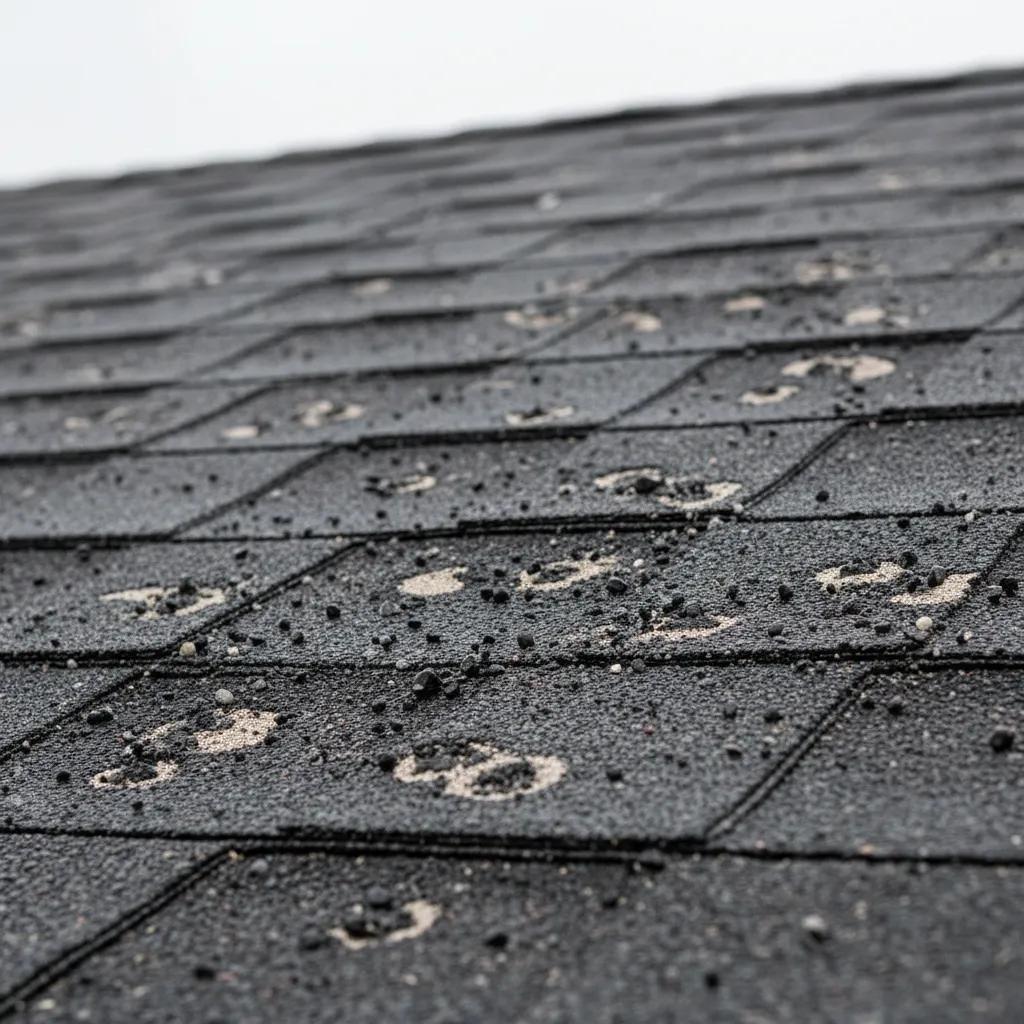
Lifespan depends on the shingle type, installation quality, ventilation, tree cover and storm exposure. As a general guide, 3-tab shingles have a shorter expected life than architectural shingles, which typically last decades with good installation and maintenance. A manufacturer’s warranty length isn’t a guarantee of how long your roof will last, so ask what the warranty actually covers.
6. Keeping them in good shape
- Keep gutters clear so water drains away from the roof edge
- Trim branches that rub or drop debris on the roof
- Have the roof inspected after major storms
- Fix small problems like lifted shingles or cracked pipe boots early
Get a free, no-obligation roof inspection.